Learn about the Colorado Prize for Poetry book contest
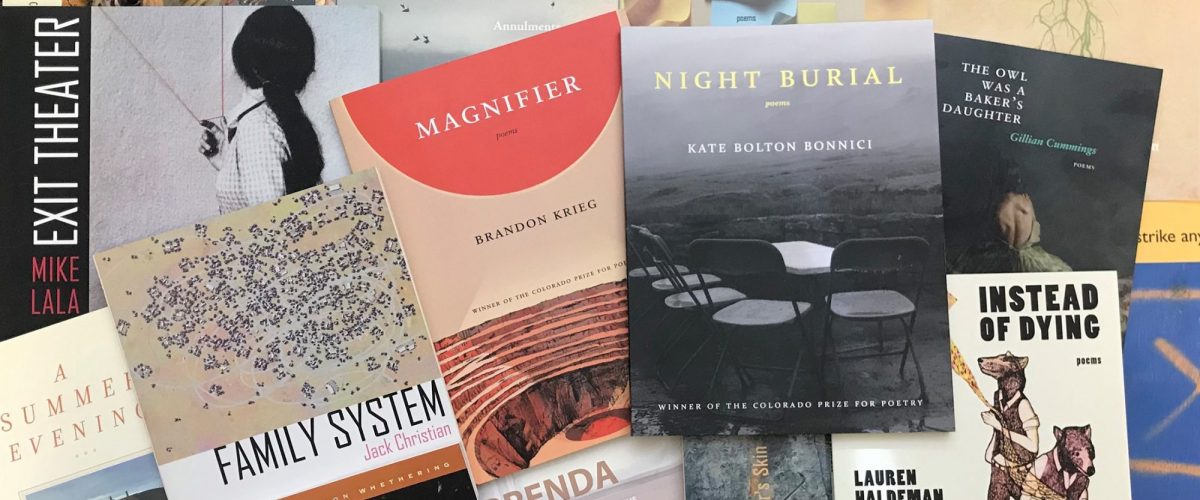
The Colorado Prize for Poetry is an international poetry book manuscript contest established in 1995. Each year’s prizewinner receives a $2,500 honorarium and publication of his or her book by the Center for Literary Publishing.
The Colorado Prize for Poetry adheres to the following Contest Code of Ethics, as adopted by the Council of Literary Presses and Magazines, of which the Center for Literary Publishing is a longtime member: “CLMP’s community of independent literary publishers believes that ethical contests serve our shared goal: to connect writers and readers by publishing exceptional writing. We believe that intent to act ethically, clarity of guidelines, and transparency of process form the foundation of an ethical contest. To that end, we agree to 1) conduct our contests as ethically as possible and to address any unethical behavior on the part of our readers, judges, or editors; 2) to provide clear and specific contest guidelines — defining conflict of interest for all parties involved; and 3) to make the mechanics of our selection process available to the public. This Code recognizes that different contest models produce different results, but that each model can be run ethically. We have adopted this Code to reinforce our integrity and dedication as a publishing community and to ensure that our contests contribute to a vibrant literary heritage.”

Current Winner
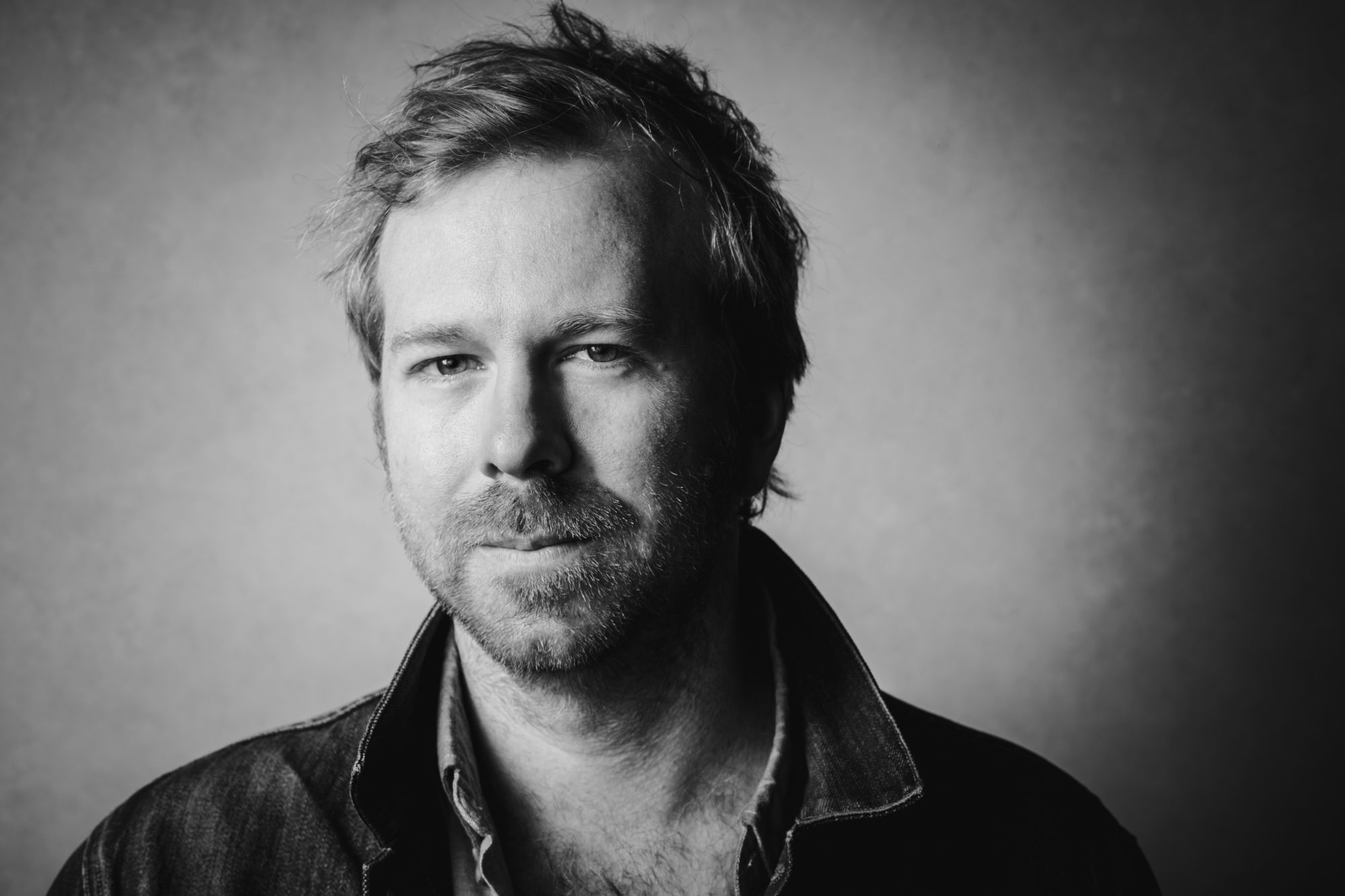
We are very pleased to announce that Reed Turchi's Dancing with Poets has been selected by final judge Victoria Chang as the winner of the 2026 Colorado Prize for Poetry. His book will be published by The Center for Literary Publishing at Colorado State University in November 2026.
“The poems in Dancing with Poets do that—they dance, rhythmically, as they swirl through, around, and within their narratives. These incantatory poems draw you in as they fuse the speaker’s voice with the reader’s imagination. The comma, the em dash, and the line break enact the drama so that what we have transcends the speaker, transcends the drama, and transcends the many elegized in these poems. ‘Forgive me. We hold on to what / we can, & then we lose it anyway, // because such music cannot last—,’ the poet writes in the stunning opening poem, ‘Swannanoa: Swirl & Vortex,’ yet what’s left on these pages sings and sings...”
—Victoria Chang, final judge
Reed Turchi is a poet, musician, and producer from Swannanoa, North Carolina, now living in Brooklyn. He has won a GRAMMY Award and received an EMMY Nomination, and his poetry has appeared in Poetry Magazine, The American Poetry Review, and Narrative Magazine, among others. Turchi earned his MFA from Warren Wilson College, where he was awarded the Ellen Bryant Voigt Scholarship, and he has received support from Breadloaf Writers Conference, The Vermont Studio Center, and The Virginia Center for the Creative Arts.
We'd also like to congratulate our 2026 Colorado Prize for Poetry finalists:
Bryce Berkowitz, "From the Near Eastside with Love and Bombs"
Margaret Cipriano, "Modern Survival"
Samantha DeFlitch, "Singing Ground"
Staci Halt, "The Sun Already"
Geramee Hensley, "Cataclypse"
Siew Hii, "Florida Is a Place on Earth"
AT Hincapie, "What Survives a Fire"
Xinyue Huang, "/yù/ : Territory, Desire"
Prosper Ifeanyi, "Ballads of the Quinquereme"
Whitney Koo, "Cry Sower"
Mia Leonin, "Synonyms for Carne"
Peter Munro, "Fisheries Science in the North Pacific"
Swati Rana, "After Westward Expansion"
Jacqueline Simon, "Ranch Hand"
Hannah Treasure, "Dear Warning"
Patrick Whitfill, "Bam, Apocalypse"
Brandon Young, "Render the Face"
Issam Zineh, "This Mouth Against Oblivion"
Submission Guidelines
Contest Procedures
Once all the entries have been received--whether paper or electronic--they are divided, depending on the total number of entries received, among six to eight outside preliminary judges; the Center does not use interns to judge for this contest. Each preliminary judge will select three to four manuscripts, for a total of twenty-four finalists. If a preliminary judge recognizes the work of a colleague, student, or friend, they will contact the Center and that manuscript is sent to another preliminary judge.
The final judge then receives the finalists from which to select the winner. If the final judge wishes to see additional manuscripts from the preliminary judges, they may request them; the judge is not, however, permitted to request specific manuscripts. Friends, colleagues, and students (current or former) of the final judge are not eligible to compete, and the judge agrees to refrain as well from selecting any manuscript that presents a conflict of interest (selecting, for example, a manuscript he or she has helped to develop).
Frequently Asked Questions
If your question hasn’t been answered here, e-mail us at creview@colostate.edu or give us a call at 970-491-5449.